Consumers trust the Mediterranean diet more than almost any other nutrition concept. For product developers, the question is how to turn that trust into formulations, credibly.
Year after year, the Mediterranean diet tops rankings of dietary patterns and accumulates scientific literature at a pace few nutrition topics can match. For the food, beverage and supplement industries, this is a rare asset: a health-associated concept that consumers already understand, with no need for consumer education campaigns.
But a dietary pattern is not an ingredient. Translating “Mediterranean” into an industrial product requires specific, defensible components, and no ingredient family is more emblematic of the pattern than olive polyphenols.
The olive: three ingredient categories, not one
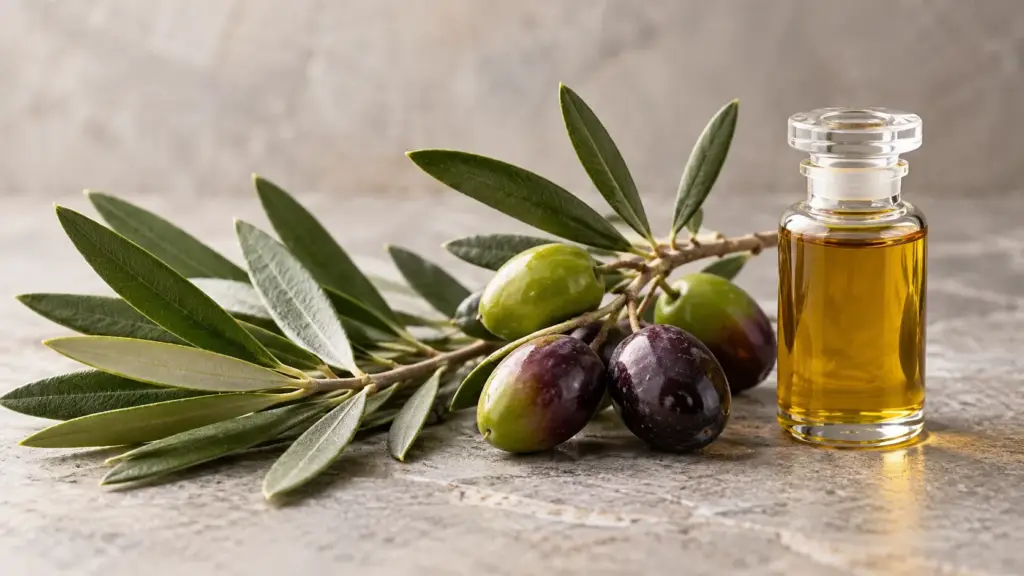
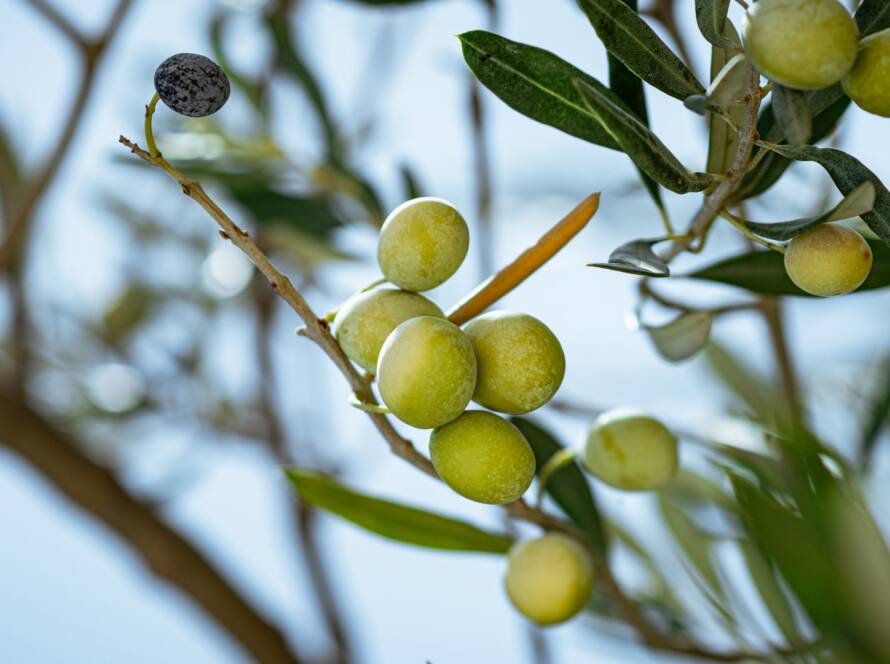
What makes the olive uniquely interesting to formulators is that it is not a single ingredient but three distinct categories, each from a different part of the plant and defined by a different active:
- Olive leaf extracts, standardised in oleuropein, the established olive ingredient in the supplement world.
- Olive fruit extracts, whose reference active is hydroxytyrosol, the olive’s most studied phenol, available across a range of concentrations to match the application.
- Maslinic acid extracts, a triterpene distinct from the phenolic categories above, with its own place in sports and active nutrition.
These three are not interchangeable, and the differences matter at the formulation bench; we break them down in detail in our guide to olive extract types. A supplier that manufactures across all three can match the bioactive to the brief, rather than forcing every project through the same extract.
What formulators should demand
The Mediterranean halo attracts opportunistic supply, and quality across the category is uneven. Three filters separate industrial-grade olive ingredients from the rest:
- Quantified actives. “Olive extract” means little without a defined content of hydroxytyrosol, oleuropein or the relevant compound, verified batch by batch.
- Traceable Mediterranean origin. If the raw material story is part of your product’s positioning, it must survive an audit, origin documentation included.
- Application support. Olive phenolics are reactive, sensorially assertive compounds. Dosage guidance, stability data and matrix experience are part of the product, not an extra.
Where the applications are moving
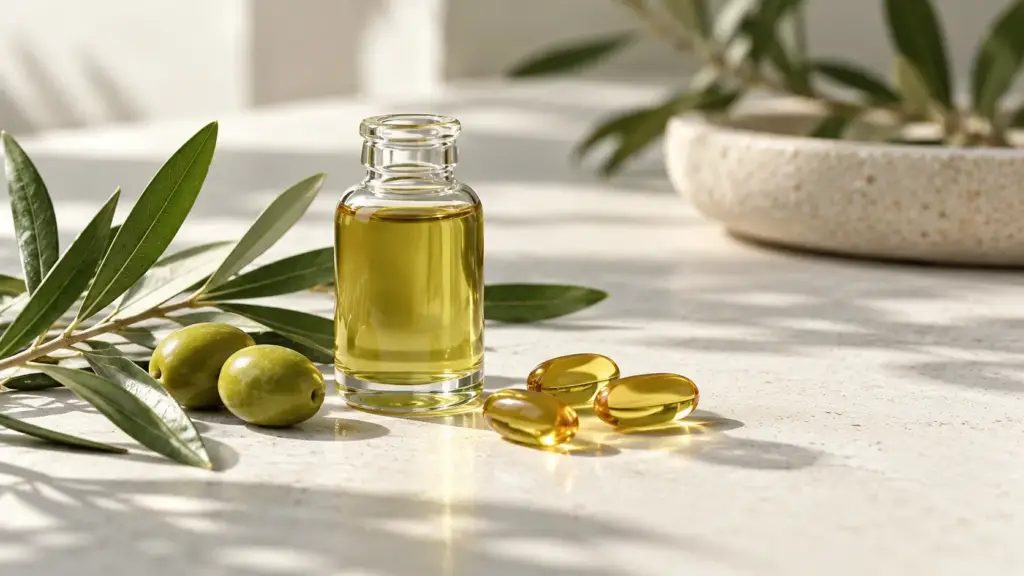
In functional beverages and foods, olive polyphenols appear in products built around antioxidant positioning and Mediterranean identity, from fortified oils to functional shots. In dietary supplements, olive leaf and hydroxytyrosol formulas are established categories in Southern Europe and growing in Northern Europe and North America. In animal nutrition, olive bioactives are entering premium feed and pet food formulations as natural ingredients supporting feed quality. And in cosmetics, olive-derived actives connect naturally with the clean beauty narrative.
One regulatory note applies across all food uses: communicating health effects to consumers is only possible under authorised claims and their specific conditions of use. The well-known EFSA-authorised claim in this space concerns olive oil polyphenols and the protection of blood lipids from oxidative stress, under defined content conditions; whether and how any claim applies to a specific finished product requires case-by-case regulatory assessment. Build the formulation first, validate the communication second.
The credibility advantage
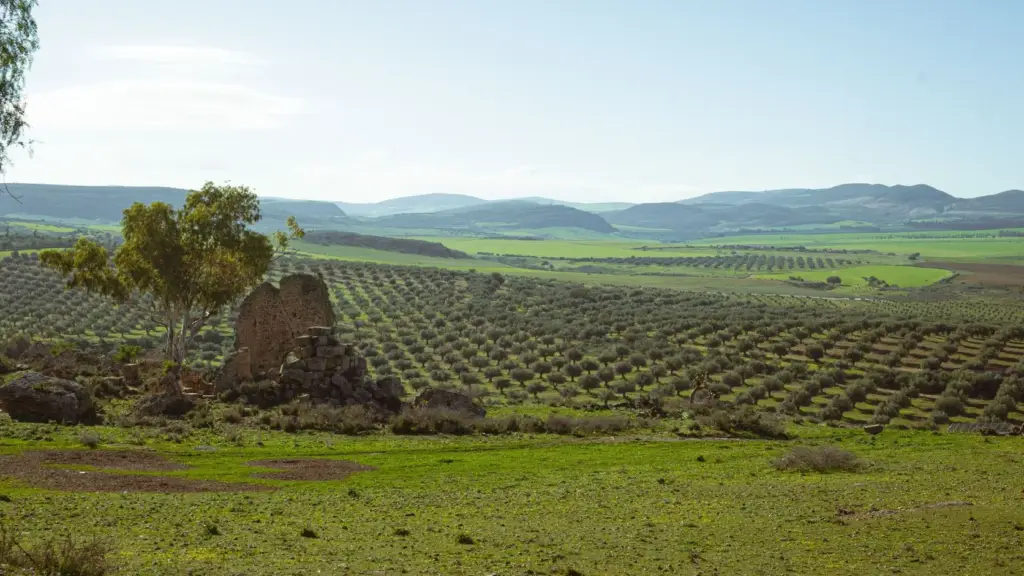
The Mediterranean diet trend will keep generating product concepts. The brands that win with them will be those whose ingredient story holds up (origin, actives, documentation) when a buyer, a retailer or a regulator looks closely.
Nutexa manufactures olive extracts across all three categories in Spain (leaf, fruit and maslinic acid) with the consistency and documentation that serious development demands.
Discover our olive ingredient range, or tell us about your project and we will recommend the right starting point.