Oxidation remains one of the most expensive quality problems in the food industry. A growing number of manufacturers are solving it with ingredients their customers actually want to read on a label.
Reformulation pressure is now a permanent condition of the food business. Retailers audit ingredient lists, private-label specifications increasingly exclude specific additives, and consumers have learned to scan for E-numbers they do not recognise. At the same time, the underlying technical problem has not changed: fats oxidise, colours fade, flavours degrade, and shelf life targets keep getting longer as supply chains stretch further.
This is the context in which plant polyphenols have moved from academic literature to the industrial ingredient list.
What polyphenols actually do in a formulation
Polyphenols are a broad family of phenolic compounds produced by plants. From a formulator’s perspective, their value lies in well-documented physicochemical behaviour: they scavenge free radicals and chelate the trace metals that catalyse lipid oxidation. In practice, that translates into slower development of rancidity, better protection of colour and flavour through processing and storage, and more headroom to meet shelf-life specifications without synthetic antioxidants.
It is worth being precise here, because the category is often discussed loosely. A polyphenol-rich botanical extract is not a single molecule but a characterised fraction of the source plant, and its performance depends on which phenolic compounds dominate, at what concentration, and in which carrier. Two “olive extracts” with the same name on a brochure can behave very differently in a fat matrix. Serious suppliers specify the relevant actives; serious buyers ask for them.
The industrial sources that matter
A handful of Mediterranean crops dominate the supply of food-grade polyphenols, each with a distinct profile:
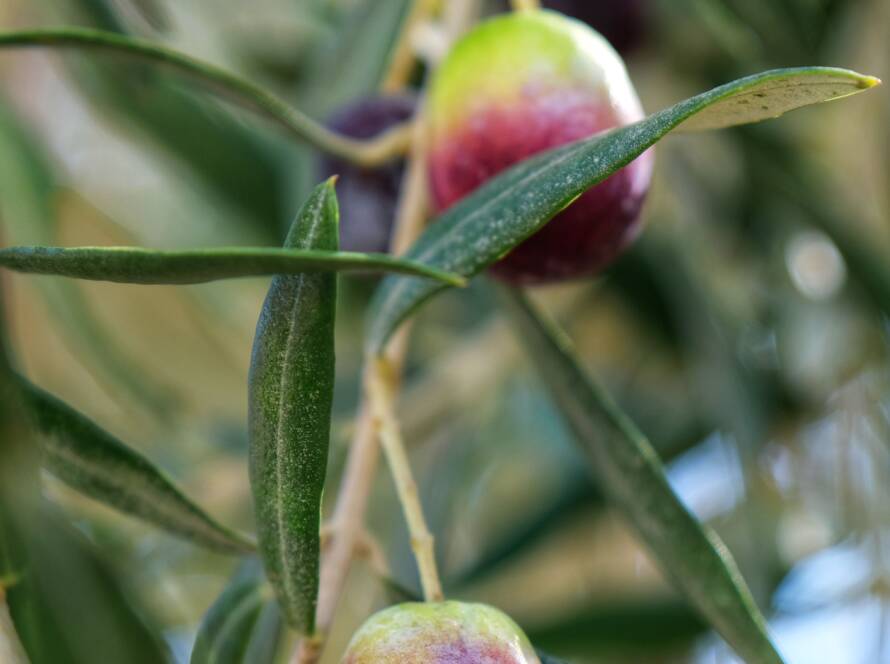
- The olive tree is arguably the most versatile polyphenol platform available to formulators today. The fruit and its processing streams yield hydroxytyrosol, one of the most studied dietary phenols, alongside oleuropein from the leaf and triterpenic compounds such as maslinic acid.
- Grape seed extract supplies oligomeric proanthocyanidins (OPCs), a class of flavonoids with strong radical-scavenging capacity, widely used in supplement and functional food formulations.
- Lemon and orange extracts contribute flavonoids alongside their flavouring function, making them useful where a formulation needs both sensory and functional value from one ingredient.
- Rosemary extract deserves a separate mention: rich in carnosic acid and carnosol, it is the reference plant-derived antioxidant for fat-containing foods and the one with an established place in EU food legislation (see below).
Formulation considerations before you commit
Polyphenol-rich ingredients are not drop-in replacements for synthetic antioxidants, and pretending otherwise is how trials fail. Four questions determine success:
- Solubility and matrix. Phenolic fractions vary from water-dispersible to lipid-soluble. Match the extract and its carrier system to the phase you need to protect.
- Dosage versus sensory impact. Many polyphenols are bitter or astringent at functional doses. The art is reaching antioxidant efficacy below the sensory threshold of the finished product, which is matrix-specific and should be confirmed in application trials.
- Processing stability. Heat, pH and light exposure during your process will affect different phenolic classes differently. Ask your supplier for stability data relevant to your conditions, not generic curves.
- Standardisation and documentation. A defined content of the relevant active compounds, batch-to-batch consistency, and complete specifications are what separate an industrial ingredient from a commodity powder.
The regulatory line formulators should respect
One distinction matters above all: in the EU, the intended function of the ingredient determines its regulatory treatment. An extract added specifically to perform an antioxidant function in food falls under the food additive framework, where rosemary extract (E 392) is the established plant-derived antioxidant with defined conditions of use. Polyphenol-rich ingredients used for other purposes follow the rules applicable to that use, and any communication towards consumers about health effects is only possible where an authorised claim exists and its conditions are met.
Where this is heading
Clean label is no longer a trend to monitor; it is a procurement criterion. The next phase is already visible — buyers increasingly ask not only what the antioxidant is, but where it comes from and how it was made. Mediterranean-sourced, traceable polyphenol ingredients are well positioned for that conversation.
At Nutexa we develop and manufacture polyphenol-rich botanical extracts — from olive, grape, citrus and other Mediterranean sources — at our facilities in Spain, with the documentation industrial buyers require.
Explore our botanical extracts or talk to our technical team about your application.