“Olive extract” is not one ingredient but three distinct families. Knowing which you need is the difference between a formulation that performs and one that disappoints.
The olive is one of the richest botanical sources available to ingredient formulators, but that richness is also a source of confusion. A specification that simply says “olive extract” tells a buyer almost nothing, because three very different categories of ingredient share that name. Each comes from a different part of the plant, is defined by a different active compound, and serves a different purpose.
Getting the category right, before the concentration, the format or the price, is the first decision in any olive-based project. Here is how the three break down.
Category 1: Olive leaf extracts (oleuropein)
Olive leaf extracts are produced from the leaves of the olive tree and are defined by oleuropein, the bitter secoiridoid that dominates the leaf’s phenolic profile. They are typically standardised to a declared oleuropein content, which is what lets a formulator dose them consistently.
This is the most established olive ingredient in the dietary supplement world, with a long history in the botanical category, and it is increasingly used in functional food and beverage formats. The key point: an olive leaf extract is not interchangeable with a fruit-derived one. Oleuropein and hydroxytyrosol are different molecules with different profiles; specifying one when you need the other is a common and costly mistake.
Category 2: Olive fruit extracts (hydroxytyrosol)
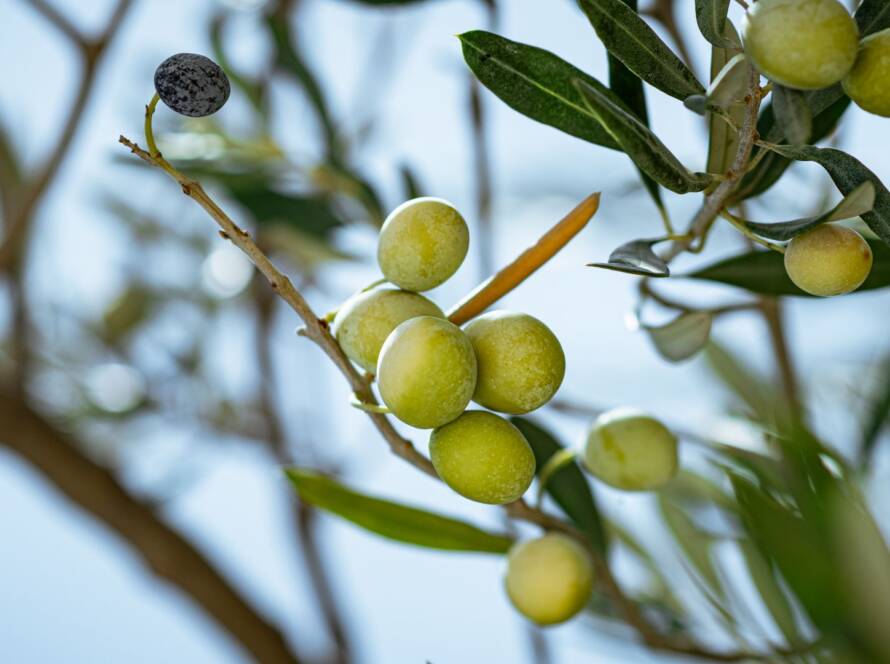
Olive fruit extracts are obtained from the fruit and its processing streams, and their reference active is hydroxytyrosol, the most studied phenolic compound of the olive and the molecule behind much of the scientific interest in the Mediterranean diet.
What makes this category particularly flexible is that hydroxytyrosol is available across a range of concentrations, from concentrate grades through to higher-purity grades. The active level can be matched to the application rather than forced on it: a functional food may call for one concentration, a focused supplement another. Our olive fruit concentrate, marketed as OlivoPlus, sits within this category.
Technically, hydroxytyrosol is a small, amphiphilic phenol with very high radical-scavenging capacity, which makes it unusually adaptable across matrices, from aqueous systems to emulsions. Commercially, it carries a recognition advantage few natural actives can match.
Category 3: Maslinic acid extracts
The third category is different in kind. Maslinic acid is not a phenol but a triterpenic acid, concentrated in the olive’s outer fruit fraction. It has carved out its own space in sports and active nutrition, where its profile, distinct from both oleuropein and hydroxytyrosol, is the reason it is specified.
It is worth stating plainly, because the shared “olive” name invites confusion: a maslinic acid extract has nothing to do with olive leaf extract or with a hydroxytyrosol product. It is a separate ingredient for a separate purpose.
Choosing between them
The decision is driven by the active you need, not by the word “olive.” In short: choose an olive leaf extract when you need a recognised botanical standardised in oleuropein; choose an olive fruit extract when you need hydroxytyrosol, at a concentration matched to your format, with the strongest science and consumer-recognition story; and choose a maslinic acid extract when your target is the triterpene for active-nutrition positioning. A supplier that manufactures all three can give you a straight answer about which fits, rather than steering you toward the only one it makes.
A word on regulation
One principle applies across all food uses: the function an ingredient performs determines its regulatory treatment, and any health-related communication to consumers is only possible under an authorised claim and its specific conditions. The well-known EFSA-authorised claim in this area concerns olive oil polyphenols and the protection of blood lipids from oxidative stress, under defined conditions; whether and how it applies to a given finished product is a case-by-case assessment. Define the formulation first; validate the communication second.
Working with an olive specialist
Nutexa develops and manufactures olive extracts across all three categories (leaf, fruit and maslinic acid) from Mediterranean raw material, with the consistency and documentation industrial buyers require.
Not sure which olive extract your formulation needs? Talk to our technical team and we’ll point you to the right category, and the right concentration.